

We’ve all been there: a busy car park, nowhere to park except for the spot that everyone has avoided. You squeeze your car in and risk dents and scratches by the time you get back.
The aim of this guide is to offer practical advice for anyone looking for somewhere to park. We’ve covered parking habits, positioning and actual accessories that can help avoid car damage.
Parking Habits That Can Offer Comfort
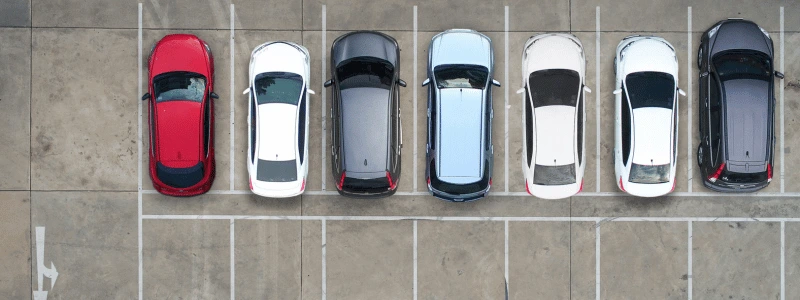
A quick and easy tip you might not have thought of is to reverse-park in bays. When you come to exiting the space, you have a front-on view that can help you navigate nearby cars and exit the space. Next on the list is parking as centrally as possible in a space. This goes without saying, but parking with equal gaps on either side means equal protection from swinging doors.
You might be a handy parker, but that doesn’t mean the person next to you is. Even if you can squeeze into a tight space, the next person to pull in alongside you might not be able to. Avoid super tight spaces that you can park in, in case the person next to you isn’t quite as confident.
Regardless of how you park, you should always tuck in your wing mirrors. This simply limits the surface area of the car and reduces the chances of a car or door catching your wing mirror.

Choosing Where You Park
Another good way of avoiding bumps and scratches is to park near pillars or islands. While this could mean a smaller space, it could provide some distance between you and other cars. Once you’re in the space, you can get out with peace of mind that no one can park close enough to cause damage.
Staying on the topic of positioning, many accept a slightly longer walk and park on upper, quieter levels. While this may not remain quiet during the day, it can provide peace of mind initially. One benefit of parking on quieter levels is having more choice in the space you choose. A higher floor with a longer walk could allow you to secure an isolated corner spot.
If you don’t have the luxury of a quieter floor, try to avoid parking near larger cars. Not only do they take up more space within a bay, but their doors will likely swing further before a passenger can get out. This could mean small dents from careless drivers and passengers.
The Car Park Itself Matters
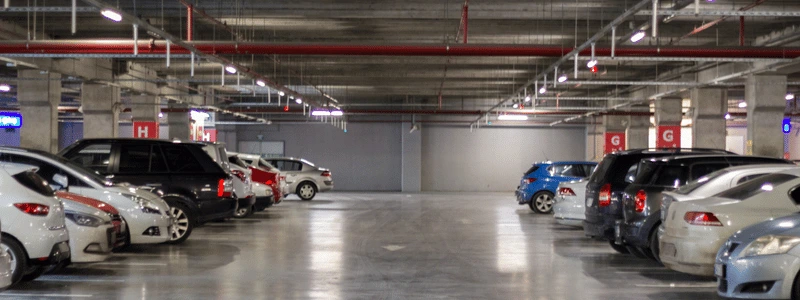
It’s not just the general size of the car park that matters. CCTV coverage is pivotal when choosing a car park. You can undertake all the steps to park safely, and something out of your control can cause damage. Having CCTV can be the difference between an insurance claim being paid out or not. Make sure your chosen car park has ample surveillance, and if not, park as close as possible to whatever camera is available.
Is your chosen car park one that typically builds up with traffic? If so, avoid entering or leaving during busy hours. Impatient drivers that care less about their cars might accept a couple of bumps if it means getting home quicker, sometimes at the detriment of your vehicle.
Physical Protection In Tight Car Parks
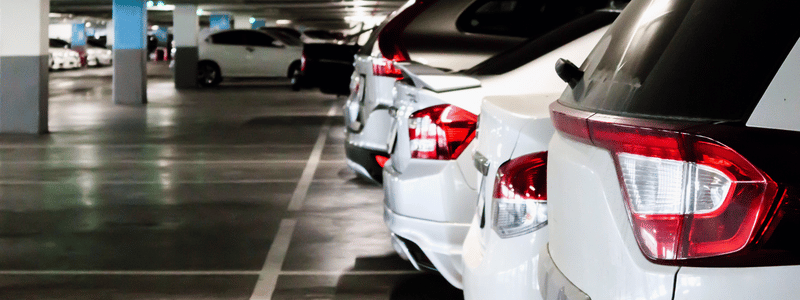
You can buy physical guards and protectors, although reviews vary as to their reliability and performance. Things like bumper protectors and door guards can be added and removed easily and provide extra peace of mind when you leave your car in a tight spot.

Closing Off On Parking
Car parks will always cause stress. From tight corners to spaces that feel too small for your car, car parks have long been a driver’s nemesis. However, if you follow our tips, you have an extra line of defence against careless parkers and door-swingers.
For more helpful car tips, visit our dedicated news page.