
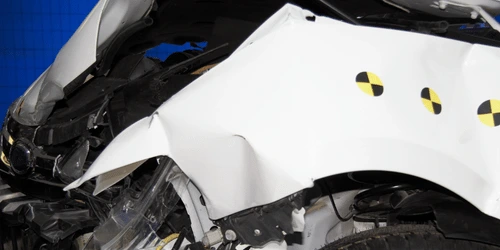
Euro NCAP testing is set to publish findings on the 18th November 2026, giving insight into the safest models on the market. As part of a revised structure, Euro NCAP testing has undergone its biggest change since 2009, with new tests and measures reflecting growing automation and tech in vehicles.
We’ve taken a look at each stage of the test below.
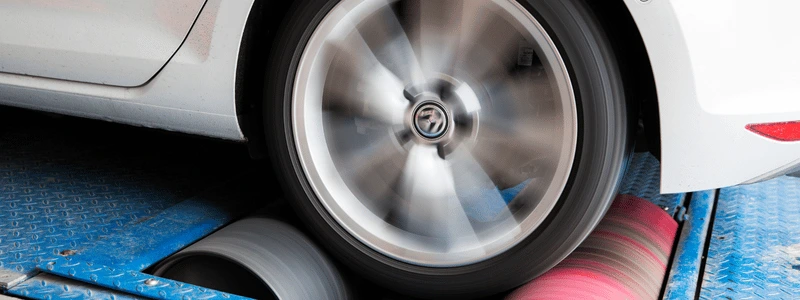
The Four Stages of Euro NCAP Rating
Each stage is designed to build on the last one and, when combined, provide a complete view of a car’s safety.
- Safe driving – testing systems designed to keep you attentive and in control of the car.
- Crash avoidance – simulated emergency situations and how the car avoids them.
- Crash protection – brutal lab tests that simulate collisions.
- Post-crash safety – how the car protects passengers post-crash.
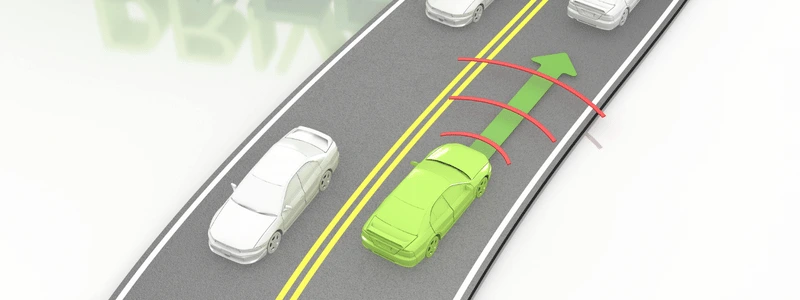
Stage 1 – Safe Driving
The first level of testing, safe driving, looks at how easy it is to stay in control of the car whilst performing routine functions. A physical button test is included, which penalises any car that has the following functions hidden inside an infotainment screen:
- Indicators
- Wipers
- Hazard lights
- Horn
- SOS button
The position of Euro NCAP is that these features should be easily accessible buttons that don’t divert the driver’s attention away from the road.
On top of this, stage 1 looks at a car’s ability to detect drowsiness and concentration, with cars rewarded for eye-tracking movement software.
As part of stage 1 testing, cars now complete at least 2,000km, making it much more realistic than past testing in controlled environments.

Stage 2 – Crash Avoidance
Stage 2 takes things up a level, simulating emergency situations and the car’s response. In this stage, autonomous braking systems must detect, track, and brake for motorcyclists, cars, and pedestrians. Cars are pushed through complex scenarios, such as multi-lane roundabouts and crossings, to test their abilities in the toughest conditions. The realism doesn’t stop there; cars are now tested in low-visibility conditions to ensure sensors can protect drivers during adverse weather and night-time driving.
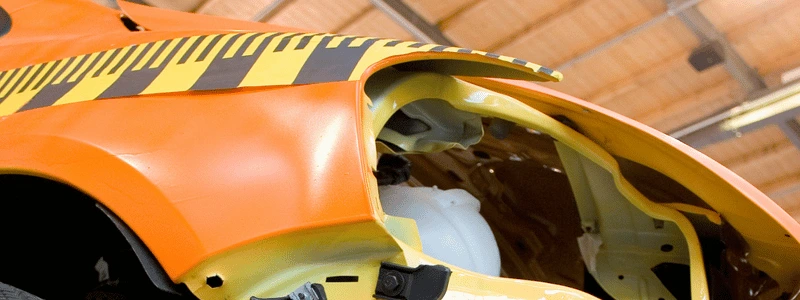
Stage 3 – Crash Protection
The most aggressive stage, crash protection includes brutal lab tests that challenge the car’s structure and strength. A 50 km/h mobile barrier head-on collision crash is combined with a 60 km/h side-on collision to detect how well both drivers and passengers are protected. Particularly for front passengers, the distance they are thrown forward is measured.
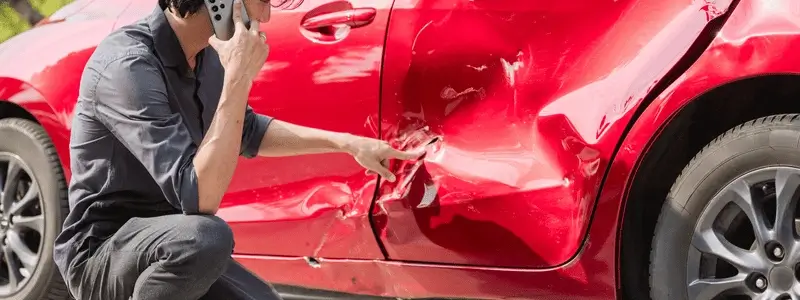
Stage 4 – Post-Crash Safety
This stage affects EVs and smart-tech door-handle cars the most. Stage 4 is focused on how passengers are protected post-crash. Specifically, flush or motorised door handles must remain usable after a crash to pass.
For EVs, the electric motor must isolate from other electrical systems to prevent a fire.
If a car fails one of the stages, it cannot achieve a five-star rating, making complete performance a priority.

When Can We Expect New Data?
NCAP testing has been underway for some time, and the initial batch of results is set to be released on the 18th November 2026. The outcomes of this test will undoubtedly influence demand and price for both existing and new vehicles, making the upcoming release even more fascinating.