
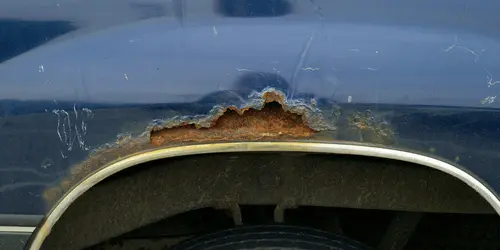
Coastal rust is a common issue with older used cars, especially as we enter winter. Unfortunately, by the time you spot rust, it’s likely to have been there for multiple years. This makes early preparation key.
We’ve looked not only at the reasons for coastal rust, but also at how you can avoid build-up and prepare for the harsh winter climate.
How Coastal Rust Occurs
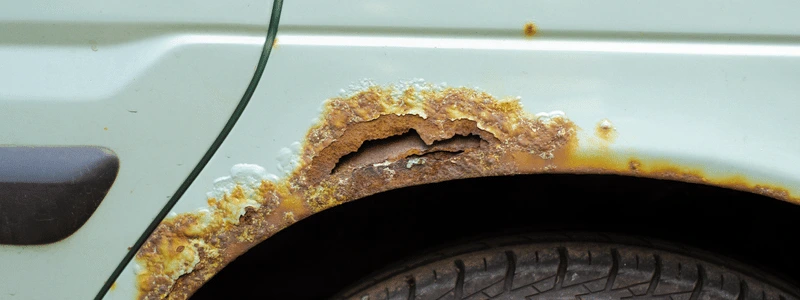
Coastal areas have an abundance of airborne salt spray as waves wash ashore. This salt spray settles into hidden body areas, door edges, wheel arches and suspension components, which over time cause your car to rust. As we move into winter, and weather conditions get harsher, this build-up will only increase. On top of this, everyday grit and water wash up from the road and hit the underside of your car, causing damage from all angles.
Areas Of The Car That Suffer The Most
Keep an eye out for the following areas, which rust quicker than the rest of your car.
The undercarriage. Road splash and grit coming up off the road hit the undercarriage and stick to the underside of the car. Over time, this rusts and breaks down the bottom of your car. On top of this, the car frame, rails and suspension are also susceptible to early damage. These areas are again most affected by road spray, which, in turn, rusts the iron and steel on the car.
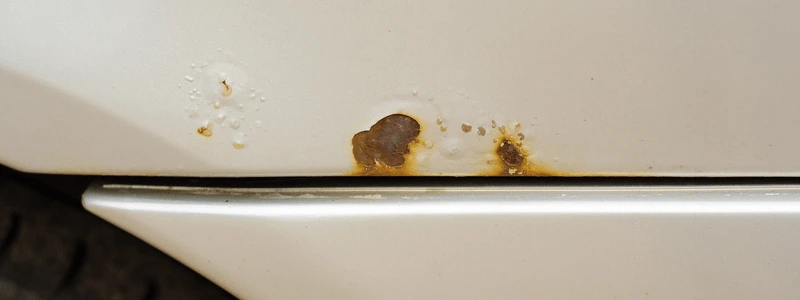
There are a few areas that struggle with moisture trapping. These include wheel wells, door edges, fenders and tailgates. Without proper maintenance, these areas can fall to rust too.

How To Spot Road Salt & Rust
Regularly inspect your car and look out for the following:
- Peeling paint around wheel arches and weak areas.
- Orange marks dotted around the car.
- Rough areas where layers have started to break down.
If your car is displaying any of these signs, it’s likely suffering the effects of sea spray and rust. In order to prevent this buildup early, there are a few steps you can take 👇.
How To Prevent Salt Buildup
There are a few key steps you can take to protect your car from salt buildup down the line.
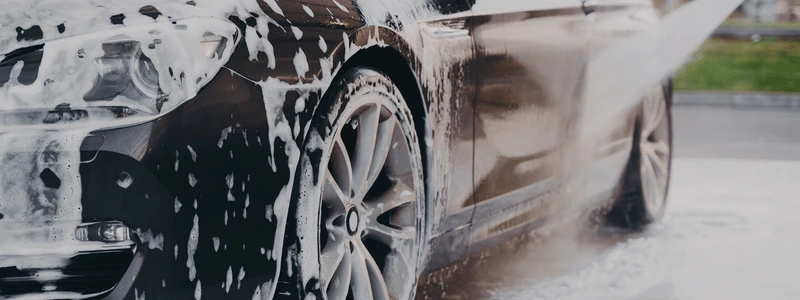
- Wash your car frequently. During winter, washing your car every other week can help avoid salt buildup. Make sure you clean the underside of the car too.
- Apply wax to the paint before winter. This can help reduce salt build and the effects that come with it.
- Fix scrapes and dents. Gaps in your car fill with salt water spray. Fill in these gaps to prevent rust from getting past the first layer of the car’s defence.
- Undercoating spray. You can purchase rust-proof undercoating spray to apply to the underside of your car. This slows down the attachment of salt to the car and protects your motor for around 6-12 months.

Final Thoughts
Coastal areas are hotspots for car rust, but keeping on top of maintenance and looking out for common signs can help protect your vehicle.
For more car maintenance advice, visit our specialist support area.